





ds l - stochastic
Info
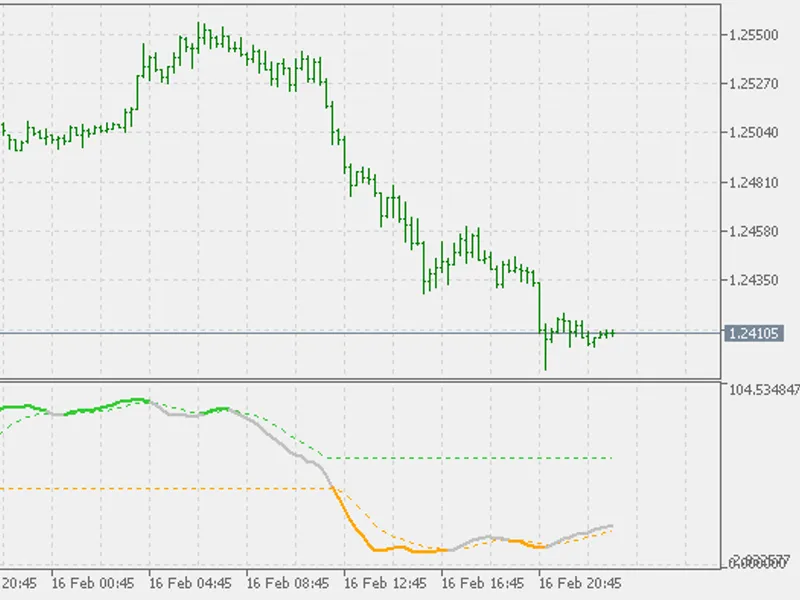
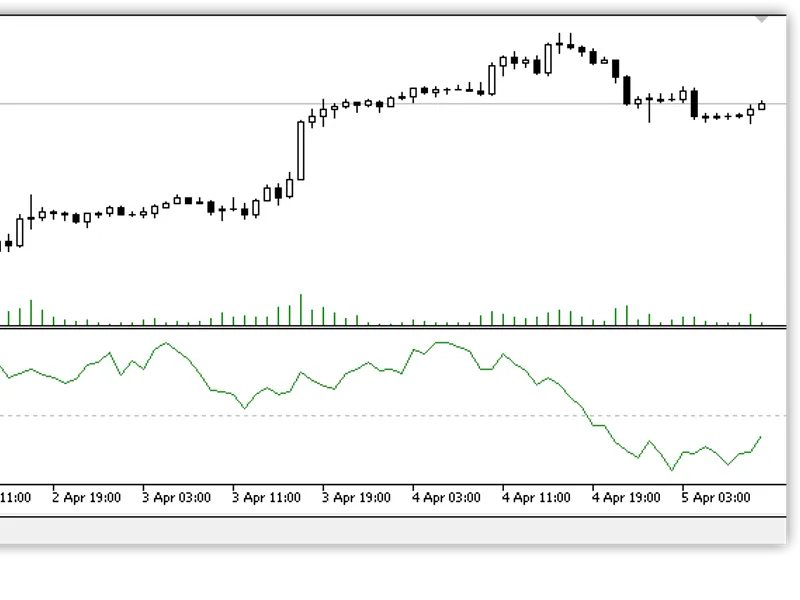
The ds l - stochastic is a Indicator for MetaTrader 5 that the stochastic oscillator is a momentum indicator comparing the closing price of a security to the range of its prices over a certain period of time. the sensitivity of the oscillator to market movements is reducible by adjusting that time period or by taking a moving average of the result.
Usage
This tool is typically used for enhancing chart analysis and decision making.
Platform
This Indicator works exclusively on MetaTrader 5 (both build 600+ and newer versions).
Setup
Place the downloaded file in MQL5/Indicators folder via File ? Open Data Folder in MetaTrader 5.
How to Install and Use ds l - stochastic
1. Installation: Place your file in the MQL/Indicators folder via "Open Data Folder" and restart your terminal.
2. Loading: Find the indicator in the Navigator, drag it onto your chart, and configure the input parameters in the popup window.
3. Customization: Press Ctrl+I to open the indicator list, select your tool, and click "Properties" to change colors, levels, or visual styles.
4. Updating: Replace the old file in the Indicators folder with the new version and restart the platform to apply changes.
Frequently Asked Questions
Q: Why is my indicator not showing? A: Verify the file is in the MQL/Indicators folder, or try right-clicking the "Indicators" tree in the Navigator and clicking "Refresh."
Q: Do custom indicators slow down the platform? A: Too many complex indicators can impact performance; remove unused ones via the "Indicator List" (Ctrl+I).
Q: Can I use MT4 indicators on MT5? A: No, MQL4 and MQL5 are distinct languages; ensure the indicator is compiled specifically for your platform version.
What this tool does
the stochastic oscillator is a momentum indicator comparing the closing price of a security to the range of its prices over a certain period of time.
Typical Use Case
This Indicator excels in automated trading and technical analysis on MetaTrader 5.
Compatible Platform & Setup
This Indicator works on MetaTrader 5. Place the file in the MQL5/Indicators folder and restart the terminal.
Description & Settings
Related: Stochastic Reversal Signal Indicator - another powerful indicator for MetaTrader 5 traders.
the stochastic oscillator is a momentum indicator comparing the closing price of a security to the range of its prices over a certain period of time. the sensitivity of the oscillator to market movements is reducible by adjusting that time period or by taking a moving average of the result.
Also recommended: stochastic multi-timeframe indicator - similar indicator with strong performance on MetaTrader 5.
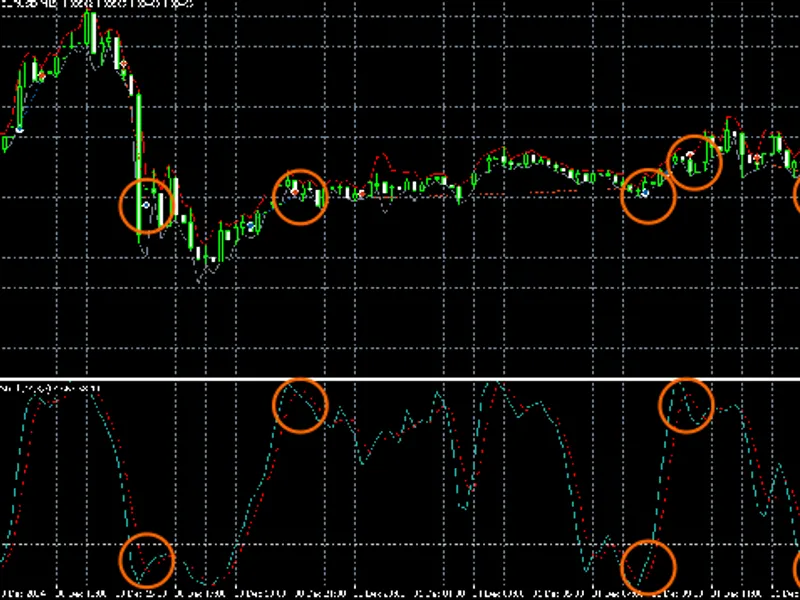
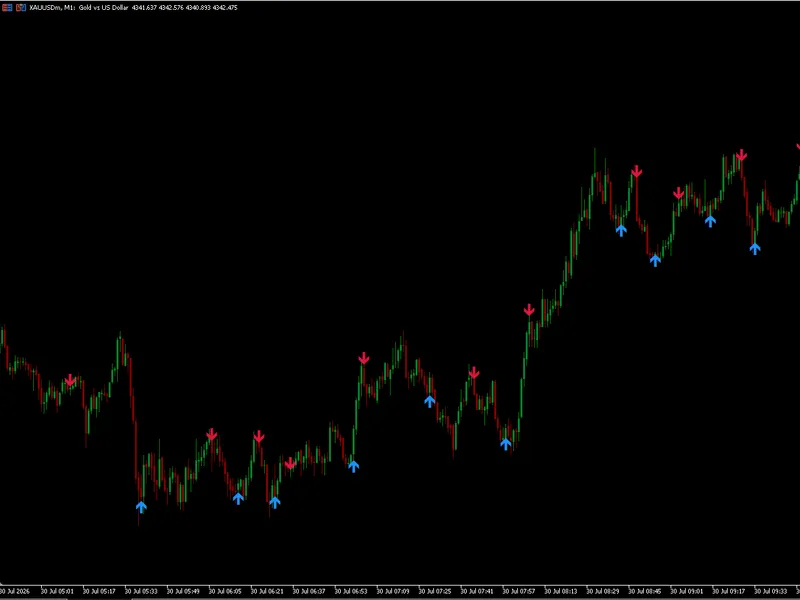
the general theory serving as the foundation for this indicator is that in a market trending upward, prices will close near the high, and in a market trending downward, prices close near the low. transaction signals are created when the %k crosses through a three-period moving average, which is called the %d.You may also like: stochastic oscillator indicator for metatrader 5 - excellent alternative for indicator users on MetaTrader 5.
Source Code
/.......
⚠ Limitations & Risk Warning
- This tool is provided for educational and testing purposes only.
- Past performance does not guarantee future results.
- Trading involves substantial risk of loss. Use on a demo account first.
- Results may vary depending on market conditions, broker, and settings.
- We recommend thorough backtesting and forward testing before using with real funds.