











rs i accumulated (floating levels)
Info
The rs i accumulated (floating levels) is a Indicator for MetaTrader 4 that accumulated rsi that uses:floating levels or quantile bands process of "accumulating" uses consecutive rsi calculations in order to "construct" new "rsi" value. ps: since this indicator is rather unknown (i guess that it is because without the usage of dynamic zones, floating levels or quantile bands, it is almost unusable in any normal trading), i would like to point out to one of its properties: the more you accumulate, the smoother it becomes, but, what is "strange" is that there is no additional lag (when these type of adjusting levels are used).
Usage
This tool is typically used for enhancing chart analysis and decision making.
Platform
This Indicator works exclusively on MetaTrader 4 (both build 600+ and newer versions).
Setup
Place the downloaded file in MQL4/Indicators folder via File ? Open Data Folder in MetaTrader 4.
How to Install and Use rs i accumulated (floating levels)
1. Installation: Place your file in the MQL/Indicators folder via "Open Data Folder" and restart your terminal.
2. Loading: Find the indicator in the Navigator, drag it onto your chart, and configure the input parameters in the popup window.
3. Customization: Press Ctrl+I to open the indicator list, select your tool, and click "Properties" to change colors, levels, or visual styles.
4. Updating: Replace the old file in the Indicators folder with the new version and restart the platform to apply changes.
Frequently Asked Questions
Q: Why is my indicator not showing? A: Verify the file is in the MQL/Indicators folder, or try right-clicking the "Indicators" tree in the Navigator and clicking "Refresh."
Q: Do custom indicators slow down the platform? A: Too many complex indicators can impact performance; remove unused ones via the "Indicator List" (Ctrl+I).
Q: Can I use MT4 indicators on MT5? A: No, MQL4 and MQL5 are distinct languages; ensure the indicator is compiled specifically for your platform version.
What this tool does
accumulated rsi that uses:floating levels or quantile bands process of "accumulating" uses consecutive rsi calculations in order to "construct" new "rsi" value.
Typical Use Case
This Indicator excels in automated trading and technical analysis on MetaTrader 4.
Compatible Platform & Setup
This Indicator works on MetaTrader 4. Place the file in the MQL4/Indicators folder and restart the terminal.
Description & Settings
Related: hl c trend - another powerful indicator for MetaTrader 4 traders.
accumulated rsi that uses:
floating levels
or quantile bands
process of "accumulating" uses consecutive rsi calculations in order to "construct" new "rsi" value.
Also recommended: Figurelli RSI Auto - similar indicator with strong performance on MetaTrader 4.
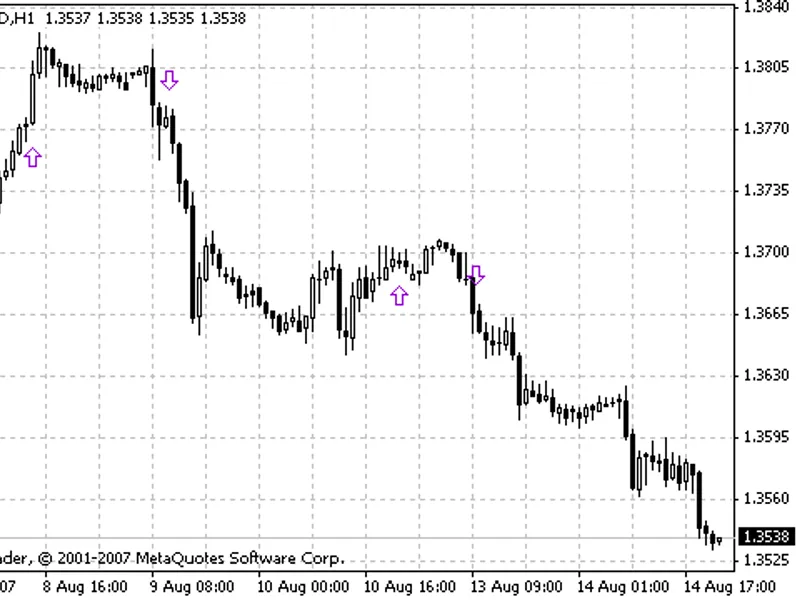
ps: since this indicator is rather unknown (i guess that it is because without the usage of dynamic zones, floating levels or quantile bands, it is almost unusable in any normal trading), i would like to point out to one of its properties: the more you accumulate, the smoother it becomes, but, what is "strange" is that there is no additional lag (when these type of adjusting levels are used).here is an example where 30 instances of rsi are accumulated in the accumulated rsi value - it is clear that a lot of false signals were cleaned up (and i even did not use rsx for the example):
You may also like: idcg mod st dev - excellent alternative for indicator users on MetaTrader 4.
Source Code
/.......
⚠ Limitations & Risk Warning
- This tool is provided for educational and testing purposes only.
- Past performance does not guarantee future results.
- Trading involves substantial risk of loss. Use on a demo account first.
- Results may vary depending on market conditions, broker, and settings.
- We recommend thorough backtesting and forward testing before using with real funds.